
Memories of my family’s African Kitchen
African Kitchen
Rubina Hughes
12/1/20252 min read
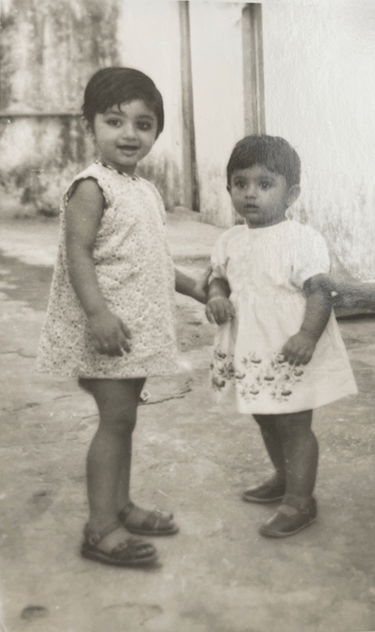
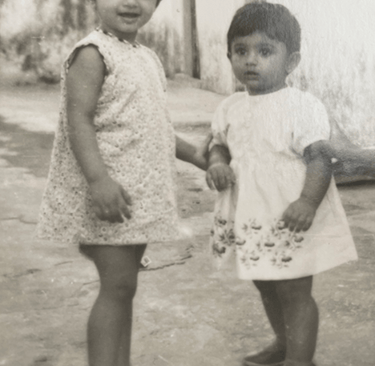
I was born in the port city of Tanga in Tanzania, where I lived until I was eight years old. Our household was a lively, multi-generational home shared by my paternal grandparents, my great-aunt, my parents, my younger sister, and me. My memories of that time are filled with days spent mostly outdoors, with much of our daily life unfolding in the verandah.
The kitchen itself was very simple compared with what would typically be considered a kitchen in the global North. We sat on the floor on makeke (mats), with a chowki (low stool) offering a bit of extra comfort. My grandmother and great-aunt prepared all our meals, making everything from scratch using fresh ingredients. Although they no longer churned butter by hand, an old butter churn was a reminder that they once had.
There were no chopping boards, and I can still picture my grandmother finely chopping onions in her hands. She would use these to make the filling for the samosas. She had the remarkable skill of making a delicate, filo-like pastry for the samosas. Once the sheets were ready, she would peel off thin layers, fold them into small triangles, and fill them with a mixture of minced meat, spices and the chopped onion, sealing the edges with a simple “glue” of flour and water.
My great-aunt was in charge of the rotis. She kneaded the dough by hand and rolled out perfect circles to cook on the tawa, the flat metal griddle. Most dishes were prepared on the stovetop, as we did not have an oven, though my grandfather had built a tandoor for my grandmother. From it came wonderfully soft, delicious naan bread.
With no electric appliances, all preparation was done manually. The women ground grains using a traditional chakki stone grinder and winnowed them to separate grain from chaff. Meat was minced using a hand-cranked machine. The pressure cooker was one of the few time-saving tools, and its familiar whistle was part of the rhythm of daily life. The kitchen was entirely a women’s domain, and they spent much of the day chopping herbs, peeling garlic, and washing rice. Occasionally, I would be allowed to help by shelling peas.
My grandmother and great-aunt cooked a variety of lentil and vegetable salans (curries), along with specialties like stuffed kerela (bitter gourd), where the hollowed-out gourds were filled with spiced mince. Biriyani and sweet rice were reserved for special occasions.
Several dishes reflected African influences—chips and curries were prepared with mogo (cassava), and mandazi, the triangular fried doughnuts, were an especially loved treat.